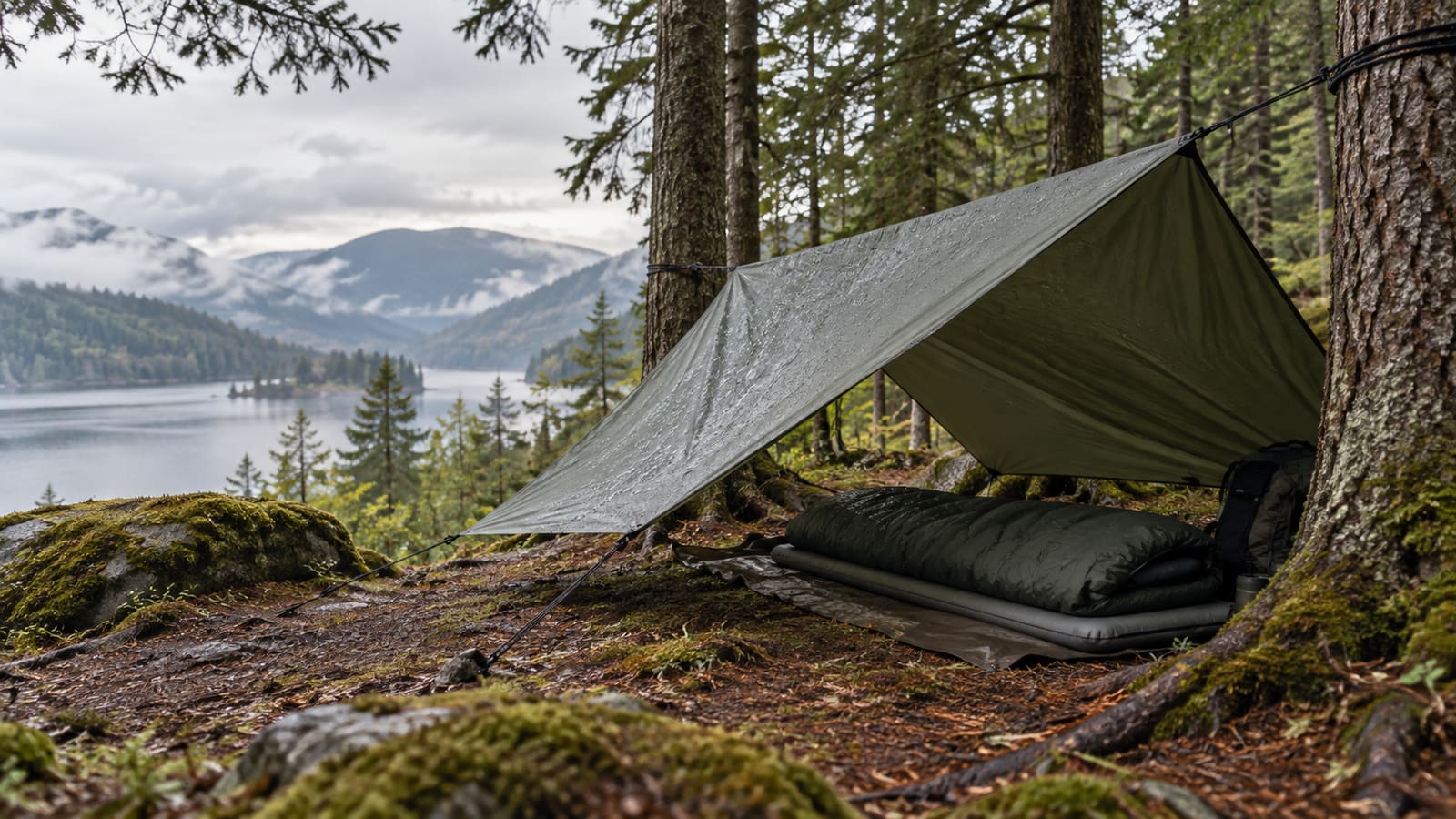
The word shelter can mean several completely different things. It can mean staying inside your home during dangerous weather. It can mean sealing an interior room during a hazardous chemical release. It can mean an evacuation center. It can mean a tent, tarp or emergency bivvy. It can even mean your vehicle during a winter storm.
What all of those situations have in common is simple: shelter creates separation between you and a dangerous environment. That is the principle that matters.
Shelter Is a Function
People often become fascinated by the structure. What kind of tent? What tarp configuration? What bunker? What shelter design? But the more useful question is: what am I trying to protect myself from? Wind? Rain? Cold ground? Extreme heat? Flying debris? Contaminated outdoor air? Snow? The correct shelter depends on the hazard. There is no universal "best shelter."
Follow the Hazard, Not Generic Advice
This is particularly important at home. A safe place for one type of emergency may be a poor choice for another. For example, during certain chemical emergencies, current CDC guidance may instruct people to stay indoors, shut off outside air systems and move to a room that can be sealed while waiting for official instructions. That does not mean the same room is automatically correct for tornadoes, floods, fires or other hazards. Follow local authorities and hazard-specific guidance. Preparedness begins with knowing what threats are relevant where you live.
Outdoor Shelter Begins With Location
If you're outdoors and need temporary emergency shelter, don't become so focused on building that you ignore the location. Look around. Could branches fall? Could water collect where you're sleeping? Are you exposed to wind? Could the area flood? Are you near another environmental hazard? Sometimes moving fifty yards to a better location does more for your safety than spending an hour improving the shelter.
The Shelter Sequence
Get Out of the Wind and Rain
Wet and wind can accelerate heat loss. A useful shelter reduces exposure before it worries about comfort. A properly pitched tarp can provide substantial protection from precipitation and wind in a backcountry emergency. The Appalachian Mountain Club notes that lightweight tarps can provide crucial protection in unexpected overnight stays, injuries and severe weather when properly pitched. You don't need a cabin. You need effective protection.
Next: read our guide, How to Set Up an Emergency Tarp Shelter
Don't Forget the Ground
Beginners frequently think only about the roof. Cold or wet ground can pull heat away from the body and make an otherwise decent shelter miserable. Use an insulated sleeping pad when you have one. In a true emergency, safe dry materials or equipment may help create separation from cold ground. The principle is simple: protection underneath matters too.
Smaller Can Be Better
In cold weather, an enormous shelter may create more space than you need. A compact shelter can be easier to protect from wind and precipitation and easier to manage. Your objective is not to create a wilderness living room. It is to create a protected area for the people who need it.
Ventilation Still Matters
Weather protection should not create a new hazard. Do not use combustion equipment in enclosed shelters unless the equipment and shelter are specifically designed for that use and all safety instructions are followed. CDC warns against using portable gas camping stoves and similar fuel-burning equipment indoors because of carbon-monoxide risk. A tarp shelter is not automatically a safe place for a heater.
Emergency Blanket vs. Tarp
Emergency Blanket
- Reflects body heat
- Lightweight, packable
- Tears easily as a roof
Tarp
- Sheds wind & rain
- Durable, pitchable
- Needs cordage & anchors
Emergency Blankets Are Not Tarps
Reflective emergency blankets can be extremely useful for reducing heat loss. But lightweight reflective film is not necessarily durable enough to become a reliable wind-loaded roof. AMC specifically notes that thin Mylar emergency blankets tear easily compared with proper tarp materials. Use equipment for the job it was designed to perform.
Practice Before You Need It
If you own a tarp, practice pitching it. If you own an emergency bivvy, open one and understand its size and use. If your household has a shelter-in-place room, make sure everyone knows where it is. If your plan includes an evacuation shelter, know how you'll reach it. Skills transform equipment into capability.
What Should Be in a Shelter Kit?
For portable preparedness, a simple shelter system might contain an appropriate tarp, cordage, stakes where useful, emergency bivvy or blankets, rain protection, work gloves and insulation from the ground.
But don't buy the pieces and stop there. Test them together. Does the cord work with the tarp? Can you tie it? Can everyone fit? What happens in rain? What happens in wind? Those are better questions than "how many survival products do I own?"
The Bottom Line
Emergency shelter comes down to four ideas: choose the right location, block the relevant hazard, stay dry and insulated, avoid creating new dangers. The structure is secondary. The protection is the point.